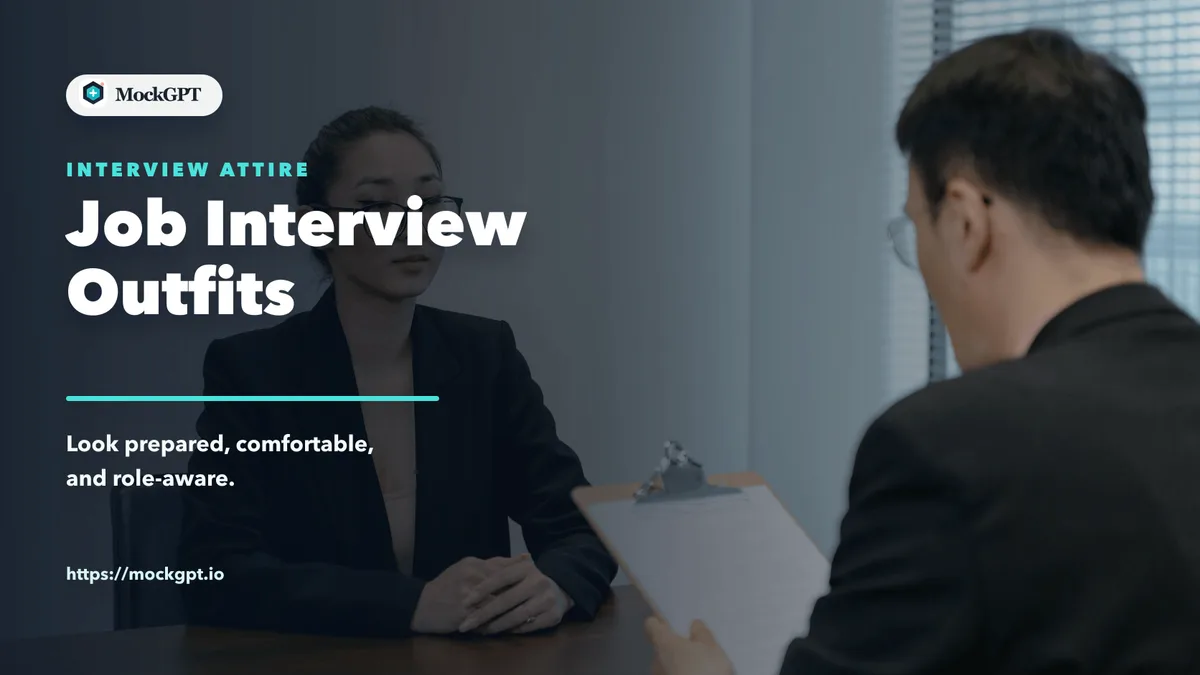
If you are choosing job interview outfits, MockGPT treats clothing as a support system, not the main story. The goal is to look prepared enough that your evidence, examples, and judgment can do the work. A good outfit fits the role, the company, the camera, and your own comfort. A bad one makes you keep adjusting sleeves, worrying about shoes, or wondering whether the interviewer is distracted.
The safest rule is simple: dress one step more polished than the workplace, then remove anything that fights your ability to think. That usually means clean lines, comfortable fit, low-distraction colors, and shoes you can walk in. It does not mean copying a finance uniform for every role or dressing so casually that the interviewer has to guess whether you understood the setting.
Use job interview outfits as one part of your preparation checklist. Once the outfit is settled, your attention should move back to the resume, the job description, and the answers you need to practice out loud.
The best job interview outfits make you look intentional and comfortable. Choose one level above the expected workplace dress code, keep the outfit quiet on camera, and test the full look before interview day.
12 job interview outfits for 2026 by setting
If you want a fast starting point, choose the row that matches the interview setting, then adjust one level up or down based on the employer's visible culture. These outfit ideas are intentionally gender-neutral: the useful signal is polish, fit, context, and comfort, not a specific uniform.
Job interview outfit ideas
Use the setting to choose the signal, then camera-test the final look| Setting | Outfit baseline | Why it works |
|---|---|---|
| Formal corporate | Navy, charcoal, or black suit with a light shirt and polished shoes | It matches conservative expectations without making the outfit the story. |
| Consulting or client-facing | Structured blazer, tailored trousers, simple top, and clean dress shoes | It signals readiness to meet clients, executives, or cross-functional panels. |
| Business casual office | Blazer or structured cardigan with a neat shirt, blouse, chinos, or trousers | It feels professional without looking disconnected from a modern office. |
| Startup, product, or engineering | Clean smart-casual top, dark jeans or trousers, and a simple jacket if useful | It respects a casual culture while still making the interview feel intentional. |
| Creative or design role | Restrained personal style, clean silhouette, and one visual accent | It shows taste without letting the outfit compete with the portfolio. |
| Education or nonprofit | Neat layers, comfortable shoes, and low-distraction colors | It reads approachable and prepared, especially for people-facing roles. |
| Healthcare, lab, or admin | Tailored separates, closed-toe shoes, and practical layers | It balances professionalism with the practical expectations of the environment. |
| Retail or hospitality | Polished service-ready outfit with comfortable shoes and tidy layers | It shows that you can represent the brand and stay comfortable on your feet. |
| Internship or entry-level | Business casual baseline with one polished layer, such as a blazer or crisp overshirt | It avoids both overdressing panic and casual first-job signals. |
| Executive or final round | The strongest formal version of your normal work style | It communicates judgment and consistency when the stakes are higher. |
| Live video interview | Solid upper layer, clean neckline, good contrast, and camera-tested color | It keeps attention on your face and answers inside the webcam frame. |
| One-way video interview | Same clear upper layer, no flickering patterns, and a full practice recording | It reduces visual noise when there is no interviewer to reset the conversation. |
Job interview outfits should match the role, the room, and the camera
Most advice about interview clothes fails because it treats every interview like the same room. A legal, banking, consulting, or executive role may still reward a suit. A design, startup, education, lab, nonprofit, or engineering interview may expect a cleaner version of the team's day-to-day style. The right signal is not "expensive." The right signal is "I understand where I am trying to work."
Career center guidance is useful because it frames attire as preparation rather than fashion. UMBC's career center tells candidates to think about what to bring and what to wear before an interview, while Coursera's guide to what to wear to an interview separates business formal, business casual, and casual contexts. That split is the practical starting point.
The search query "job interview outfits" sounds visual, but the decision is really contextual. Ask three questions before you pick clothes: What level of polish does this company expect? Will the interview be in person, video, or one-way recording? What will let me sit, breathe, gesture, and answer naturally for 45 minutes?
Interview outfit decision table
Choose the signal first, then choose the clothes| Interview setting | Usually safe choice | What to avoid |
|---|---|---|
| Corporate, finance, law, consulting, executive | Suit, blazer, tailored trousers or skirt, polished shoes, simple shirt | Untested trendy pieces, loud logos, casual sneakers, wrinkled layers |
| Business casual office, operations, customer success, admin | Blazer or structured cardigan, neat blouse or shirt, chinos or trousers | Jeans that look worn, distracting prints, overly relaxed weekend clothes |
| Startup, creative, product, design, engineering | Clean smart casual: neat top, jacket if useful, dark jeans or trousers | Looking like you ignored the interview, even if the company is casual |
| Video interview | Solid upper layer, good neckline, no noisy pattern, camera-tested colors | Tiny stripes, reflective jewelry, white-on-white background, pajama bottom risk |
Start one level more polished than the workplace
The "one level up" rule is the most useful starting point for interview outfit ideas. If employees wear hoodies, you might wear a crisp sweater, clean shirt, or relaxed blazer. If employees wear business casual, you might add a sharper jacket or more polished shoes. If the organization is formal, do not fight the norm; wear the formal version well.
This approach keeps you from two common mistakes. The first is overdressing so hard that you look like you are interviewing for a different company. The second is underdressing because you saw one casual employee photo online. Interview attire should show respect for the meeting, not blind imitation of a random office snapshot.
What to wear to a job interview when the company is casual
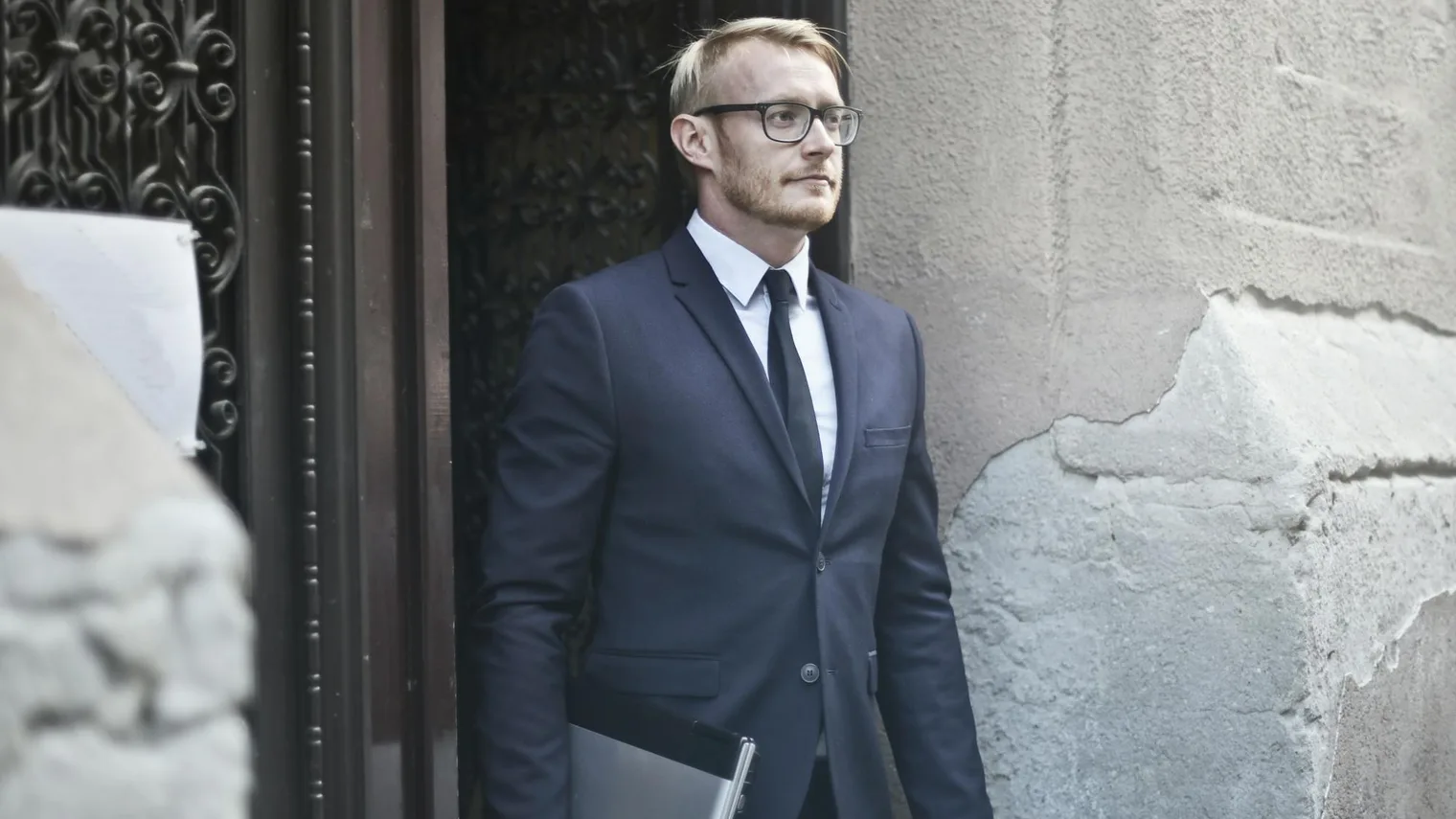
A casual company does not mean a careless interview. It means your polish should come from fit, neatness, and role awareness rather than formality. Dark jeans can work in some startup interviews if they look intentional. A simple knit, button-down, blouse, or clean overshirt can work when the rest of the outfit is tidy.
The question is not "Can I wear jeans?" The better question is "Would this outfit still look prepared if I met the hiring manager, future teammate, and recruiter in the same day?" If the answer is no, adjust upward. If the answer is yes, keep it simple and stop tweaking.
For job interview outfits in casual workplaces, remove the elements that read as off-duty: stretched collars, graphic slogans, stained shoes, wrinkled fabric, gym layers, noisy accessories, or anything you keep pulling into place. You want the interviewer to remember your answer about the role, not the shirt you kept adjusting.
Clothes that sit cleanly look more prepared than expensive clothes that fight your body.
Let your answers carry personality; the outfit should not compete for attention.
A video interview outfit must work inside the webcam frame, not only full length.
If you cannot breathe, sit, or gesture naturally, the outfit is too distracting.
Video and one-way interviews change the outfit decision
Video interviews compress your outfit into a small rectangle. That makes the upper half more important and the details less forgiving. Tiny checks, thin stripes, shiny fabrics, white shirts against white walls, and reflective accessories can create visual noise. Strong job interview outfits for video usually have solid colors, a visible neckline, and enough contrast from the background.
Test the exact frame you will use. Sit down, open the camera, and answer one question out loud. If the collar twists, the jacket pulls, the pattern flickers, or the color blends into the wall, fix it before interview day. This matters even more for one-way interviews because there is no human on the other side adjusting the conversation in real time.
For one-way video, the outfit should help you feel anchored. Record a short answer, play it back, and check whether your clothing, lighting, posture, and background all point in the same direction: prepared, calm, and focused on the role.
Use the outfit to reduce cognitive load
The hidden purpose of job interview outfits is not style. It is cognitive load. Every small uncertainty steals attention: Are these shoes too casual? Is this neckline awkward on camera? Did I bring a jacket? Is this outfit too much for the company? Those questions should be solved before the interview starts.
Make the outfit decision the day before if possible. Try it on while sitting, standing, walking, and using your laptop camera. Put everything in one place: clothing, shoes, notes, charger, resume copy, and any accessories. Then stop changing the plan unless something is actually wrong.
-
1
Check the company signal
Review the industry, role, interview round, and any employee-facing photos. Choose a baseline, then go one level more polished.
-
2
Test the interview posture
Sit the way you will sit in the interview. If anything pulls, twists, gaps, squeaks, or distracts you, choose a simpler option.
-
3
Run a camera check
For video, check contrast, pattern, lighting, and background. The outfit should read clearly in the frame without becoming the subject.
-
4
Practice one answer in the outfit
Say a real interview answer out loud. If the outfit makes you perform differently, fix the outfit before you fix the answer.
How MockGPT fits into interview outfit prep
MockGPT is not a fashion judge, and it should not pretend to know every company's dress code. The useful connection is the practice loop. Once your clothing is chosen, you still need to test whether you can answer naturally while sitting in the actual setup.
Use what to wear to a job interview as a final setup check, then load your resume and target job description into MockGPT. Practice the first two minutes of the interview with the same camera angle, lighting, and outfit you plan to use. If you sound stiff because the jacket is tight or the collar keeps moving, that is real evidence.
This is also where outfit prep connects to confidence. The point is not to look perfect. The point is to remove one source of uncertainty so your examples can be sharper, your follow-ups can be calmer, and your interview answers can stay focused on the role.
If the outfit looks intentional, feels comfortable, and disappears once the conversation starts, it is probably doing its job.
Bottom line: the outfit should disappear once you start answering
The best job interview outfits do not win the interview by themselves. They create a clean first signal, reduce anxiety, and let the interviewer focus on your evidence. Dress one level above the expected environment, keep video outfits simple, and test the full setup before the meeting.
Once the clothing decision is settled, shift back to the work that actually changes the outcome: role research, story selection, follow-up practice, and answer review. MockGPT helps you rehearse that whole moment so the outfit supports the interview instead of becoming another thing to worry about.
FAQ: job interview outfits
What are the best job interview outfits?
The best job interview outfits are one level more polished than the workplace, comfortable enough to sit and speak naturally in, and simple enough that they do not distract from your answers. For formal industries, that may mean a suit. For many business casual roles, a blazer, neat shirt, trousers, or polished smart-casual outfit can work.
Can I wear jeans to a job interview?
Jeans can work for some casual or startup interviews if they are dark, clean, well-fitting, and paired with a more polished top or jacket. They are usually not the safest choice for formal corporate, finance, law, consulting, executive, or client-facing interviews unless the employer clearly signals a casual norm.
What should I wear for a video interview?
For a video interview, wear a solid upper layer that contrasts with your background, avoid tiny stripes or reflective accessories, and test the exact webcam frame before the call. The outfit should look clean in the camera view and let your face, voice, and answers stay central.
How can MockGPT help with interview outfit prep?
MockGPT can help you practice the full interview setup after you choose the outfit. Load your resume and target job description, answer practice questions on camera, and review whether your clothing, posture, lighting, and answers feel natural together.